0%

Choosing the China Best Super Premium Dog Food Manufacturer requires more than comparing attractive packaging or low factory prices. Buyers should examine ingredient sourcing, formulation expertise, production controls, and long-term reliability. A serious supplier can explain where its animal proteins come from, how nutrients are tested, and how recipes support different life stages.

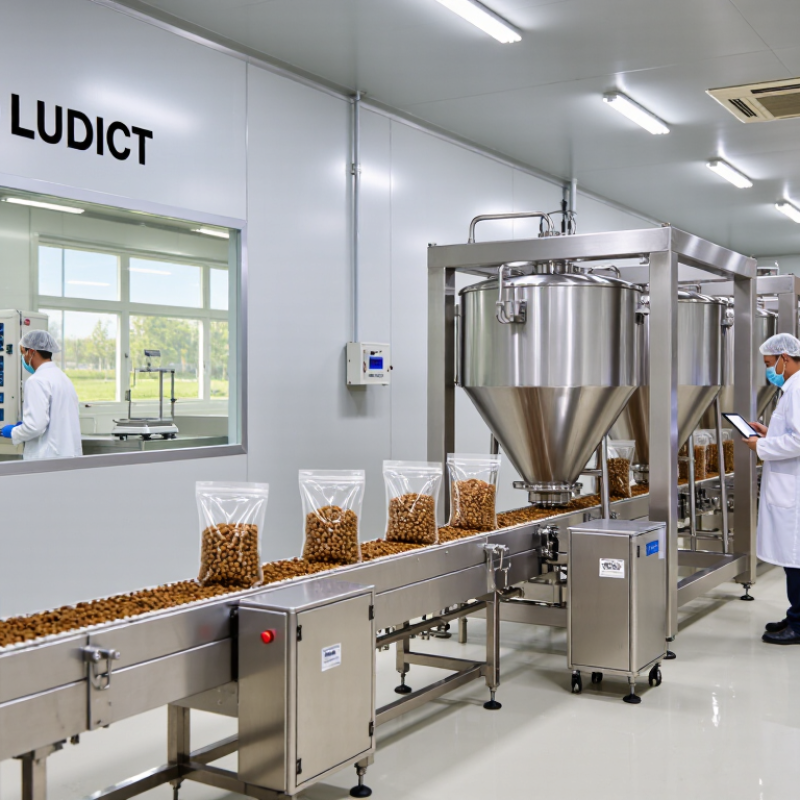
This overview introduces the standards behind Super Premium Dog Food Manufacturing in China. It considers factory experience, veterinary and nutritional collaboration, traceability systems, and quality assurance procedures. Details matter: sealed production rooms, batch records, moisture testing, and clearly labeled storage areas can reveal how carefully a manufacturer works. Certifications may support credibility, but they should be verified rather than accepted without questions.

The best partner is not always the largest company. A smaller manufacturer may offer closer communication and better customization, while a larger facility may provide stronger capacity and process consistency. Both possibilities deserve careful review. Product samples, audit reports, export experience, and customer references can provide more reliable evidence than marketing claims. However, no supplier is perfect. Even an experienced factory may need stronger documentation, clearer sustainability goals, or improved complaint handling. That is worth acknowledging. Responsible buyers should assess ingredients, safety controls, packaging performance, and regulatory compliance before making a decision. This approach helps identify a dependable Chinese manufacturer that can produce safe, consistent, and nutritionally appropriate super premium dog food for international markets.
China Best Super Premium Dog Food Manufacturer?

Definition of Super Premium Dog Food

What does “super premium dog food” really mean? The term describes a quality position, not a universal legal grade. In many markets, it refers to diets made with carefully selected ingredients, tighter production controls, and detailed nutritional planning. A reliable definition should begin with the dog, not the package. Puppies, active adults, seniors, and dogs with sensitivities need different nutrient profiles. Marketing language alone proves little.

A super premium formula typically names clear animal protein sources and provides balanced protein, fat, vitamins, and minerals. It should meet recognized complete-and-balanced nutritional standards where applicable. Ingredient traceability matters too. Manufacturers should know where key materials came from and how batches were tested. Practical checks may include microbial screening, moisture control, oxidation testing, and documented quality records. These details are less glamorous, but they protect consistency.

From a professional standpoint, digestibility, stool quality, skin condition, energy, and healthy weight offer useful real-world evidence. A shiny coat is not enough. Owners should introduce a new diet gradually over seven to ten days and watch appetite and digestion. I would not treat “super premium” as a guarantee of better results for every dog. Some formulas look impressive yet fit poorly. The definition remains useful only when transparent evidence supports it.

Key Standards for Evaluating Chinese Manufacturers

China Best Super Premium Dog Food Manufacturer?

A premium claim should begin with evidence, not attractive packaging. The 2024 FEDIAF Facts and Figures report places European pet food sales above €29 billion, showing how seriously buyers assess nutrition and safety. Chinese manufacturers should provide complete ingredient specifications, batch records, and laboratory results. Check compliance with applicable Chinese feed standards, including labeling, hygiene, and nutritional requirements. Export markets may impose additional rules.

Factory experience matters. During an audit, inspect raw-material receiving areas, sealed storage rooms, metal detectors, and cleaning records. Ask how suppliers are approved and how rejected materials are isolated. A reliable manufacturer should trace one finished bag back to its ingredient lots within hours, not days. Independent testing should cover pathogens, mycotoxins, heavy metals, oxidation, and declared nutrient levels. The 2023 Global Pet Expo industry discussions also emphasized transparency and functional nutrition, but marketing language can still move faster than science.

“Super premium” is not a regulated guarantee everywhere. I would question vague claims such as “holistic” or “natural.” Request feeding-trial evidence when health benefits are advertised, rather than accepting formulation theory alone. The WSAVA Global Nutrition Toolkit recommends evaluating qualified nutrition expertise, quality control, and transparent nutrient information. Some factories may pass an audit yet lack consistent production discipline. That weakness is easy to miss. A manufacturer’s best proof is repeated, documented performance across multiple batches.

Ingredients, Nutrition, and Product Quality

Choosing China’s best super-premium dog food manufacturer requires more than attractive packaging. Ingredients should be named clearly, sourced consistently, and matched to a dog’s life stage. I look for identifiable animal proteins, digestible carbohydrates, and measured fat sources. Vague “meat derivatives” create uncertainty. Fresh and dried ingredients can both work when handled properly. The formula must explain each ingredient’s nutritional purpose.

Nutrition is not just a high protein number. A qualified nutrition team should balance amino acids, calcium, phosphorus, essential fatty acids, vitamins, and minerals. Calorie density matters for small, large, young, and senior dogs. Fiber may support stool quality, but excessive fiber can reduce digestibility. Manufacturers should test finished batches, not only incoming ingredients. Useful checks include nutrient analysis, microbiological screening, and oxidation monitoring.

Product quality appears in small details. Traceable suppliers, controlled temperatures, sealed packaging, and retained samples help identify problems quickly. Independent laboratory testing adds confidence, while feeding evaluations reveal palatability and stool response. Documentation should be available and understandable. Claims need evidence. I would question any formula promising perfect health. Dogs respond differently. A recipe that suits one dog may cause loose stools in another. That limitation deserves honest attention. For importers, factory audits and sample approval should happen before a large order. Reliable communication matters when a batch needs review.

Manufacturing Capacity, Safety, and Certifications

Choosing China’s best super premium dog food manufacturer requires more than attractive packaging or a polished factory tour. Manufacturing capacity should match your order volume, seasonal demand, and quality expectations. Ask about production lines, ingredient storage, batch scheduling, and backup equipment. A reliable facility should explain how it prevents cross-contamination and manages production delays.

Safety evidence matters more than confident promises. Look for HACCP-based controls, GMP procedures, and relevant ISO 22000 certification. Request recent laboratory reports for each major batch, including microbiological and nutritional testing. Traceability should reach from suppliers to finished cartons. Clear recall procedures are also essential. Certification helps, but it is not a complete guarantee. Audits can miss small daily problems.

Tips: Visit the facility when possible. Check clean-zone separation, sealed ingredient bins, and temperature records. Compare certificate scopes and expiry dates, not just certificate logos. Ask whether testing uses independent laboratories. Review sample labels carefully, because minor wording errors may reveal weak quality control. A manufacturer should welcome reasonable questions. If responses remain vague, pause before committing.

Capacity claims deserve careful verification. Ask for monthly output, current utilization, minimum order quantities, and lead times. A factory operating near full capacity may struggle with urgent orders. Product development support, packaging control, and export documentation also show professional maturity. Still, no supplier is perfect. I would leave room for review after the first production run. Actual batch consistency often teaches more than sales presentations.

How to Select the Best Manufacturer for Your Brand

China’s Best Super Premium Dog Food Manufacturer? How to Select the Best Manufacturer for Your Brand

Selecting a super premium dog food manufacturer requires more than comparing prices. Visit the facility when possible, or request a live video audit. Observe ingredient storage, cleaning routines, production flow, and temperature controls. A reliable manufacturer should explain each step clearly. Ask for ingredient specifications, supplier records, batch traceability, and recent laboratory reports. Testing should cover nutrition, microbiological safety, moisture, and oxidation. Vague answers are warning signs.

Experience also matters. Request samples made with your intended formula, not a standard catalog recipe. Check kibble size, aroma, texture, oil distribution, and packaging performance after storage. Ask how the manufacturer manages formula changes, production delays, minimum order quantities, and rejected batches. Certifications can support confidence, but certificates alone do not prove daily discipline. Review their scope, expiry dates, and audit history. Small details matter.

Speak with the technical team, not only the sales representative. Their answers reveal practical knowledge. A strong partner can discuss nutrient targets, palatability testing, shelf-life validation, and export documentation. Still, no factory is perfect. A delayed sample or unclear document may reveal a weak process, or simply poor communication. We have learned to test both possibilities before deciding. Put every agreed specification in writing, including tolerances, packaging materials, release testing, and corrective actions. Trust grows through evidence, not promises.

How to Select the Best Super Premium Dog Food Manufacturer in China

Use this 100-point due-diligence framework to compare potential manufacturing partners. The weighting emphasizes food safety, traceability, testing, and production reliability rather than company or brand size.

How to use the scorecard: Request documented evidence for every category, verify certificates and testing records independently, and shortlist manufacturers that achieve a strong total score without major compliance gaps.

FAQS

What does “super premium dog food” mean?

It describes a quality position, not a universal legal grade. It usually involves selected ingredients, controlled production, and detailed nutrition planning. Marketing words alone prove little.

What should a suitable formula contain?

It should name clear animal protein sources and balance protein, fat, vitamins, and minerals. The formula should match the dog’s age, activity, size, and sensitivities.

How can owners judge real product quality?

Watch digestion, stool quality, energy, skin condition, and weight. A shiny coat alone is not enough. Results may vary between individual dogs.

How should a dog change to a new diet?

Introduce the new food gradually over seven to ten days. Monitor appetite, stool consistency, and signs of discomfort. Slow changes help reduce digestive upset.

What safety controls should a manufacturer provide?

Ask about microbial screening, moisture control, oxidation testing, and batch records. Ingredient traceability should connect suppliers with finished cartons. Small details matter.

Which certifications and documents deserve attention?

Review HACCP-based controls, GMP procedures, and relevant ISO 22000 certification. Check certificate scope and expiry dates. A certificate is not a complete guarantee.

How can production capacity be verified?

Ask about monthly output, current utilization, minimum order quantities, lead times, and backup equipment. A nearly full facility may struggle with urgent orders. Verify claims carefully.

What should a facility audit include?

Check ingredient storage, sealed bins, clean-zone separation, temperature records, and production flow. Request a live video audit when visiting is impractical. Look closely.

Why should buyers test custom samples?

Request samples using the intended formula, not a standard recipe. Check kibble size, aroma, texture, oil distribution, and packaging after storage. Samples reveal practical weaknesses.

What should be written into the manufacturing agreement?

Record ingredient specifications, tolerances, packaging materials, release testing, and corrective actions. Include procedures for formula changes, delays, and rejected batches. Trust needs evidence.

Conclusion

Choosing the right partner for Super Premium Dog Food Manufacturing requires more than comparing prices or product claims. Super premium dog food should be made with carefully selected ingredients, balanced nutrition, high digestibility, and consistent quality that supports dogs at different life stages. When evaluating manufacturers in China, brands should examine ingredient sourcing, formulation expertise, quality control procedures, production technology, and the ability to maintain reliable product standards across different batches.

Manufacturing capacity, food safety systems, testing procedures, and recognized certifications are also important indicators of a dependable supplier. A strong manufacturer should offer transparent communication, flexible formulation and packaging options, stable delivery capabilities, and professional support throughout product development. By reviewing samples, factory qualifications, quality records, and customization services, businesses can identify a manufacturer that matches their market positioning and long-term goals. The best partnership combines nutritional excellence, safe production, dependable service, and the flexibility to create products that meet customer expectations.

Ethan

Ethan

Ethan is a professional marketing specialist dedicated to helping customers better understand the company’s products, services, and industry value. With extensive knowledge of product features, application scenarios, customer needs, and market trends, he creates clear, practical, and insightful......